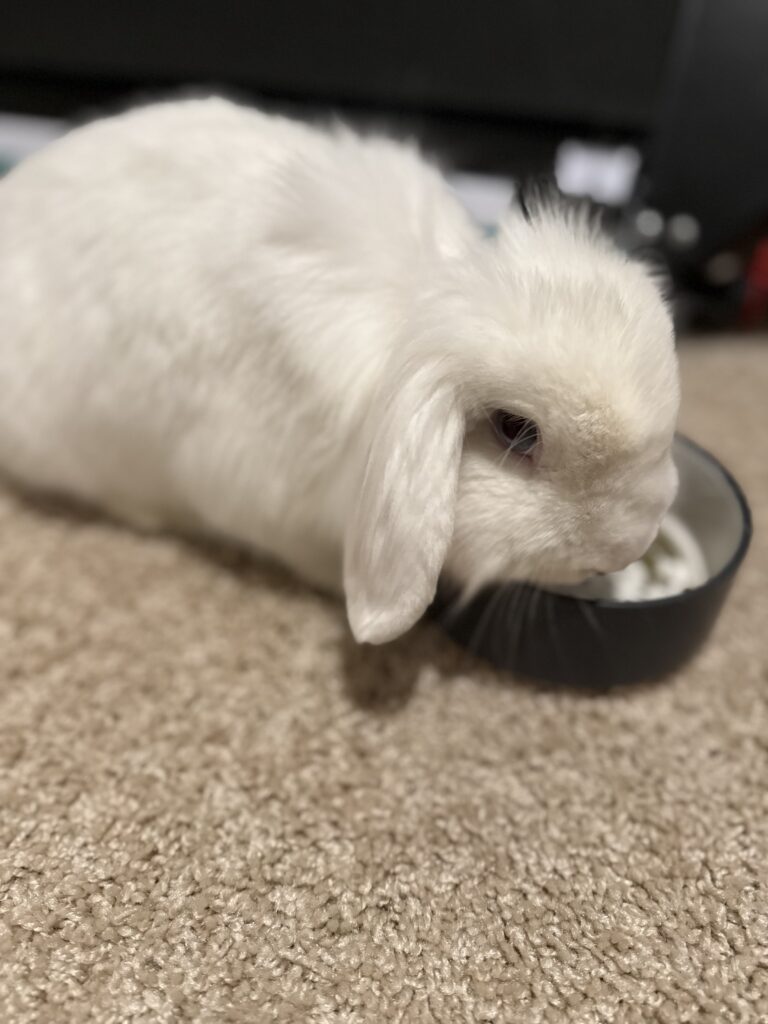
 A serious virus is spreading across the United States, and your rabbit is at risk, even if it never goes outside.
Rabbit Hemorrhagic Disease Virus 2 (RHDV2) is highly contagious, often fatal, and spreading in communities across the country. Mortality rates can reach 70–90% — and some rabbits die before showing any symptoms at all.
What is RHDV2? RHDV2 is a viral disease that causes severe internal bleeding and liver failure in domestic and wild rabbits. It spreads rapidly, and because it can survive on surfaces and even be carried by insects, no rabbit is truly safe from exposure — including yours.
How does it spread? RHDV2 is remarkably resilient. It can reach your rabbit through:
- Direct contact
- With infected rabbits, wild or domestic
- Contaminated objects
- Bowls, bedding, cages, clothing, shoes
- Insects
- Flies and mosquitoes can carry the virus
- Food & plants
- Contaminated hay, grass, or fresh produce
Important: You don’t need to own an outdoor rabbit to be at risk. People can unknowingly carry the virus indoors on their shoes or clothing after being near wild rabbits. Indoor rabbits are still vulnerable.
What are the signs? RHDV2 is especially dangerous because it can strike without warning. Some rabbits die suddenly with no prior symptoms. Others may show:
- Lethargy or sudden loss of energy
- Loss of appetite
- Fever
- Difficulty breathing
- Neurologic signs
- Bleeding from the nose, mouth, or rectum
- If your rabbit shows any of these signs, contact us immediately.
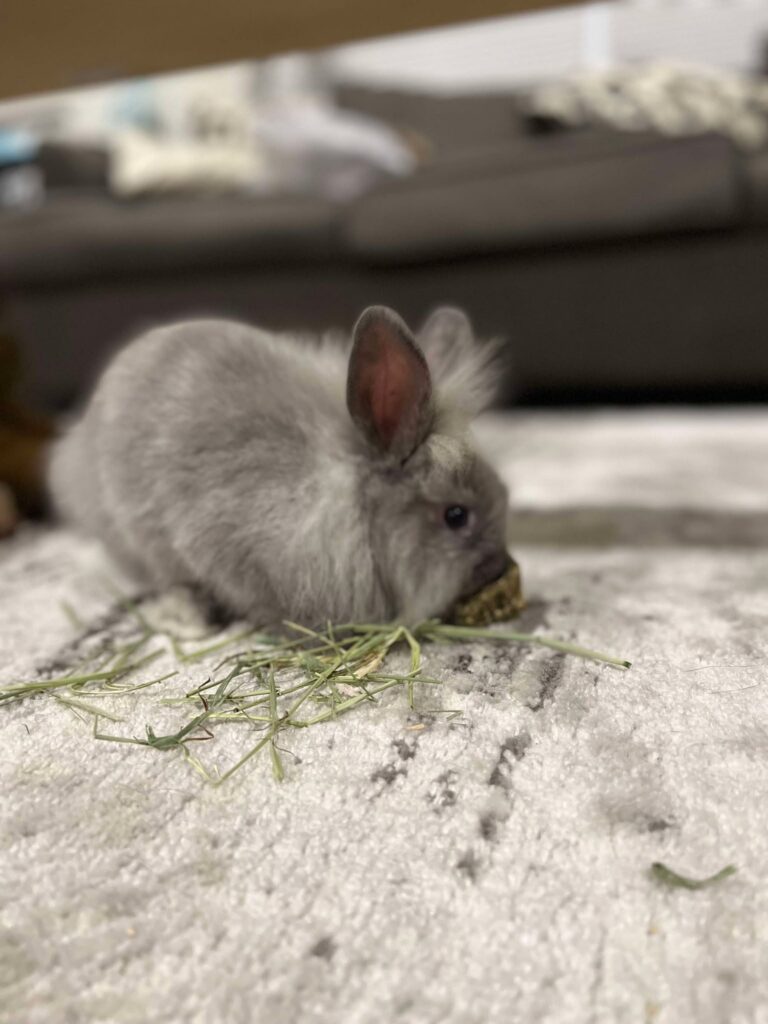 The good news: there’s a vaccine! Vaccination is the single most effective way to protect your rabbit from RHDV2 — and we strongly recommend it for all rabbits, indoor pets included.
The vaccine series is simple: an initial dose, a booster 21 days later, then an annual booster to maintain protection. It is safe and well tolerated. Call us to schedule a consultation or to get your rabbit vaccinated today.
Additional steps you can take now
-
- Avoid contact with wild rabbits
- Wash hands before and after handling your rabbit
- Change clothes and shoes after spending time outdoors
- Avoid feeding untreated foraged greens
- Quarantine any new rabbits for at least 14 days before introducing them to others
Are my family or other pets at risk? No. RHDV2 affects only rabbits. It cannot infect humans, dogs, cats, or other animals. That said, humans can carry the virus on their clothing or shoes, which is why hygiene and prevention steps matter even for non-rabbit owners in multi-pet households.
Protecting Your Rabbit Starts With Prevention. RHDV2 is a serious threat, but it is also preventable. Vaccination, good hygiene, and awareness make all the difference. If your rabbit is unvaccinated or overdue, now is the time to act. For more information, read our handout about RHDV2.
Schedule your rabbit’s protection and keep them safe from a disease that moves quickly and leaves little room for error.