 A new lump on your pet can be alarming, and frankly, it should be. While many masses turn out to be benign, others require prompt diagnosis and treatment. The most important thing you can do is have any new or changing lump evaluated early. Quick action can make a tremendous difference in outcomes, comfort, and long‑term health.
Any lump deserves attention, but certain changes make an exam especially important:
New Lumps. Even small bumps can be significant. Early evaluation helps us determine whether monitoring or immediate testing is needed.
Growing Lumps. Rapidly enlarging masses are more likely to be concerning and should be assessed right away.
Changing Lumps. Soft lumps becoming firm, or smooth lumps becoming irregular, can indicate underlying changes.
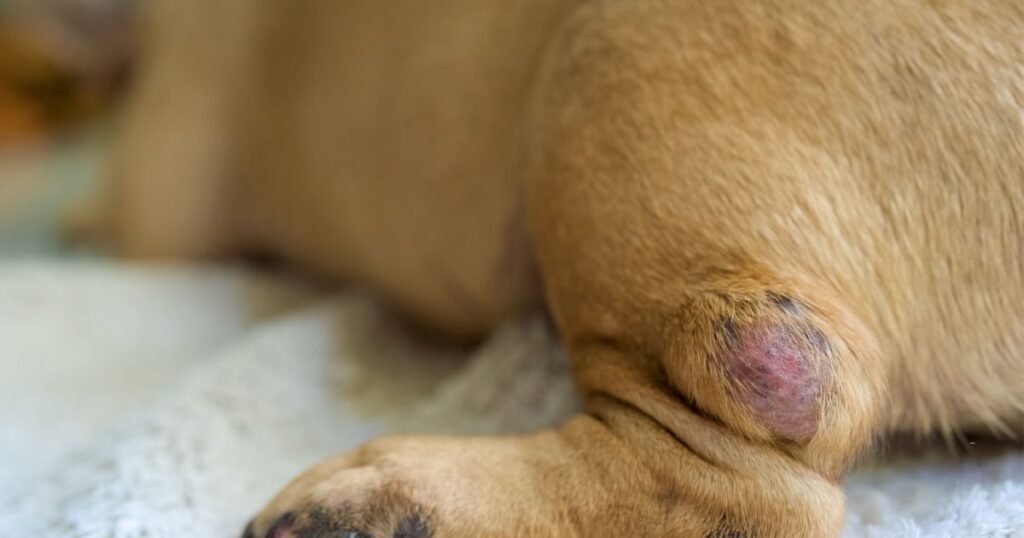
Painful Lumps. A lump that becomes painful, warm, or red may signal inflammation, infection, or more serious disease.
Bleeding Lumps. A lump that causes bleeding, discharge, or ulceration needs prompt medical attention.
A Lump In That Spot. Masses near joints, under the arms, or along the abdomen can interfere with movement or cause discomfort. A lump in mammary tissue, lymph nodes, and the skin are common sites for tumors that benefit from early diagnosis.
If you notice any of these changes, or simply feel unsure, it’s always better to have us take a look. Many masses look similar on the outside, but their behavior can be very different. A benign fatty lipoma is non-cancerous, but it may feel like a malignant tumor. A small skin bump may look harmless, but it may be the first sign of something more serious.
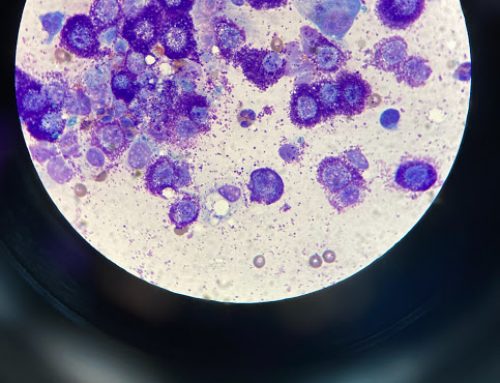
Early testing (Read our post about in house Imagyst cytology) allows us to identify benign masses that only need monitoring, but also helps us detect cancerous or aggressive tumors when they are most treatable, and plan appropriate treatment before things get worse.
Early testing will also give you clear answers and peace of mind.