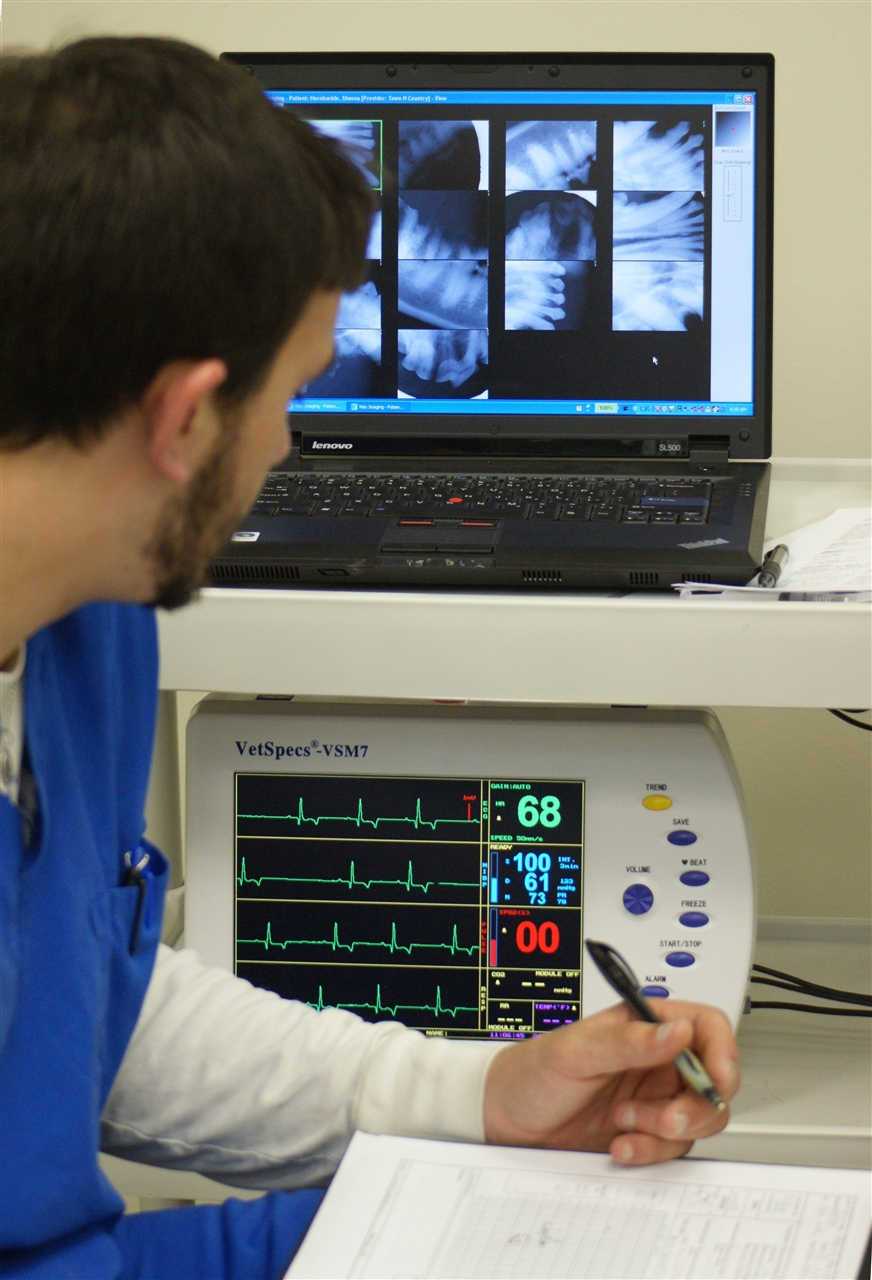
 Did you know that most cats and dogs show signs of periodontal disease by the time they are three years old? When was the last time you checked your pet’s mouth, and do you know what warning signs to watch for?
Here are symptoms that may indicate your pet needs a dental evaluation:
1. Bad breath
2. Excessive drooling
3. Reluctance to play
4. Hesitation or refusal to eat
5. Chewing on only one side of the mouth
6. Loose or shifting teeth
7. Red or inflamed gums
8. Swelling beneath the eye
You’ve Got Doggy Breath! We often joke about it, but the reality is that pets’ mouths function much like ours. Humans, dogs, and cats all develop baby teeth, lose them, and grow adult teeth. Their teeth contain nerves, blood vessels, dentin, and enamel. When plaque isn’t removed, it combines with bacteria and hardens into tartar, which requires professional cleaning. Left untreated, this buildup progresses to periodontal disease.
Did You Brush? Think about what our own mouths would be like if we never brushed and relied solely on food to clean our teeth. Crunchy snacks can help a little, but they are not enough. Ideally, your pet’s teeth should be brushed daily. Starting this habit early with puppies and kittens is best, but older pets can learn too if introduced gradually.
Open wide! Use slow, gentle movements as your pet adjusts. A finger brush works well for small pets, and there are toothbrushes and toothpastes made specifically for animals. Never use human toothpaste or brushes; our toothpaste can be harmful to pets, and our brushes are too large and firm. For the first couple of weeks, skip the toothpaste and simply help your pet get used to having their mouth handled. Toothpaste can be added once they are comfortable.
Maintaining good oral health helps keep your pet active, comfortable, and happy. If your pet is showing any of the signs listed above, contact us to schedule a dental examination. Our advanced equipment and skilled team are here to keep your pet’s mouth healthy and clean.