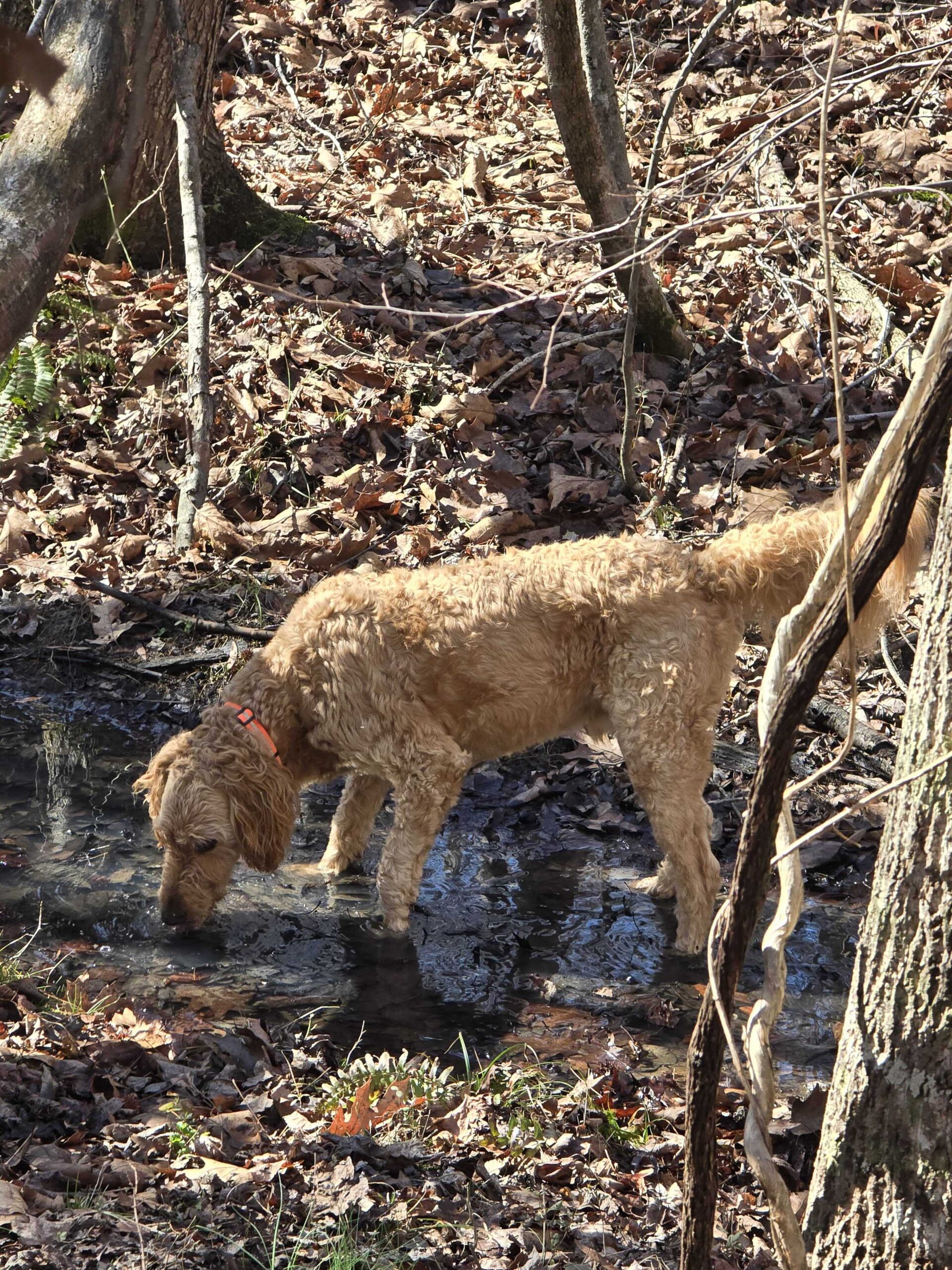
At Town N Country, we review disease trends every year to make sure our recommendations truly protect the pets we care for. Recently, we’ve seen enough cases of Lyme disease and Leptospirosis – and enough risk factors in the everyday lives of our patients – that we are now treating both vaccines as core protection for most dogs. AAHA designated Leptospirosis as a core vaccine in their most recent canine vaccination guidelines, because the disease has become so widespread for the average family dog. Lyme disease is still considered a risk‑based vaccine, but your dog is at risk because of where we live. Cases continue to rise in Alamance County, and the disease is especially prevalent in neighboring Caswell County.
Lyme Disease: We’re in the Bullseye. Any dog who goes outdoors, even briefly, can be bitten by a tick carrying Borrelia burgdorferi. Because ticks often hide around the ears, neck, and between the toes, they’re easy to miss. Dogs don’t get the classic rash seen in people. Instead, early signs include fever, lethargy, and especially lameness. While most dogs respond well to antibiotics, Lyme can lead to kidney problems or chronic joint pain in some patients. Tick prevention remains essential, but no product blocks every bite. The Lyme vaccine adds an important layer of protection.
Leptospirosis: It’s in The Water. Leptospirosis spreads through water or soil contaminated with the urine of infected wildlife such as raccoons, rodents, skunks, and possums. Dogs can become infected by drinking from puddles or ponds, or through small cuts in the skin. Because Lepto is zoonotic, it can also infect people.
Leptospirosis was once considered a concern mainly for “high‑adventure” dogs – those hiking, swimming, or roaming in wooded or rural areas. Today, that landscape has changed. You’ve all seen raccoons and possums in your neighborhood. This means that the bacteria responsible for Lepto are now found in the everyday places where most family dogs live and play. Even brief exposure to puddles, damp soil, or areas visited by wildlife can pose a risk. As a result, Lepto is no longer a niche threat for outdoor enthusiasts; it’s a realistic, year‑round risk for nearly all dogs, regardless of lifestyle.
Some dogs with Lepto show no symptoms, while others may develop vomiting, muscle pain, lethargy, or jaundice. Severe cases can cause organ damage and may require hospitalization. The vaccine is highly effective and helps protect both your dog and your household.
Why We’re Making This Change
Both Lyme and Lepto share three realities that matter for our patients:
- They are present in our community.
- They can cause serious illness.
- They are preventable with safe, reliable vaccines.
- Because exposure risks are now common for the average family dog—not just “high‑adventure” pets—we believe these vaccines are essential for routine protection.
As these trends grow, more pets, regardless of lifestyle, are encountering real exposure risks, making proactive vaccination an important part of routine preventive care.